Make and Zapier both automate SaaS work, but their design and billing encourage different operating styles.
Commercial disclosure: All product buttons are direct, non-tracked official links. ChoiceRidge does not currently earn commission from them. Affiliate availability does not determine the winner.
Quick verdict
Choose Make for visual, flexible multi-step workflows and Zapier for the easiest common business automation.
Make vs Zapier at a glance
| Area | Make | Zapier |
|---|---|---|
| Current pricing reference | Free 1,000 credits; Core US$12/mo monthly or US$9/mo effective annually for 10K credits | Professional $19.99/mo billed annually for 750 tasks |
| Best fit | visual multi-step workflows, mapping, routers, and operations teams | fast nontechnical SaaS automation and broad business adoption |
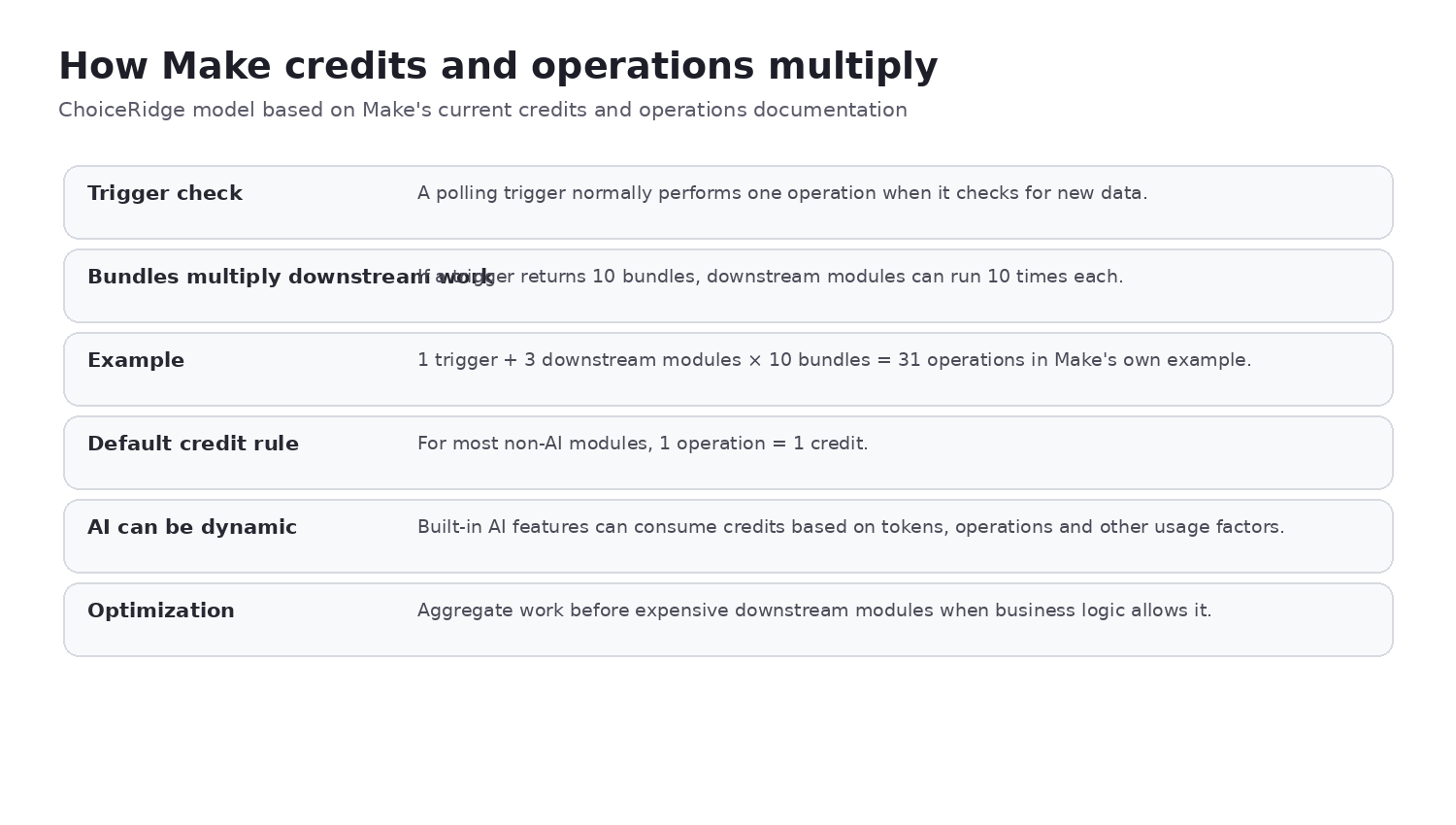
| Main trade-off | bundle volume and module activity can multiply usage | multi-action and AI-heavy workflows can consume tasks quickly |
| Deployment | Hosted SaaS | Hosted SaaS |
| Desktop RPA | No native desktop RPA | No native desktop RPA |
Which should you choose?
Choose Make if…
- You need visible routers and mappings
- Power users own workflow design
- Module-level cost is acceptable
Trade-off: bundle volume and module activity can multiply usage.
Check Make current termsChoose Zapier if…
- Nontechnical users need speed
- Common SaaS actions dominate
- Built-in tools reduce task use
Trade-off: multi-action and AI-heavy workflows can consume tasks quickly.
Check Zapier current termsPricing and total cost
Make bills credits by module activity; Zapier bills successful task work with feature-specific rates. Model identical workflows.
Features, security, and migration
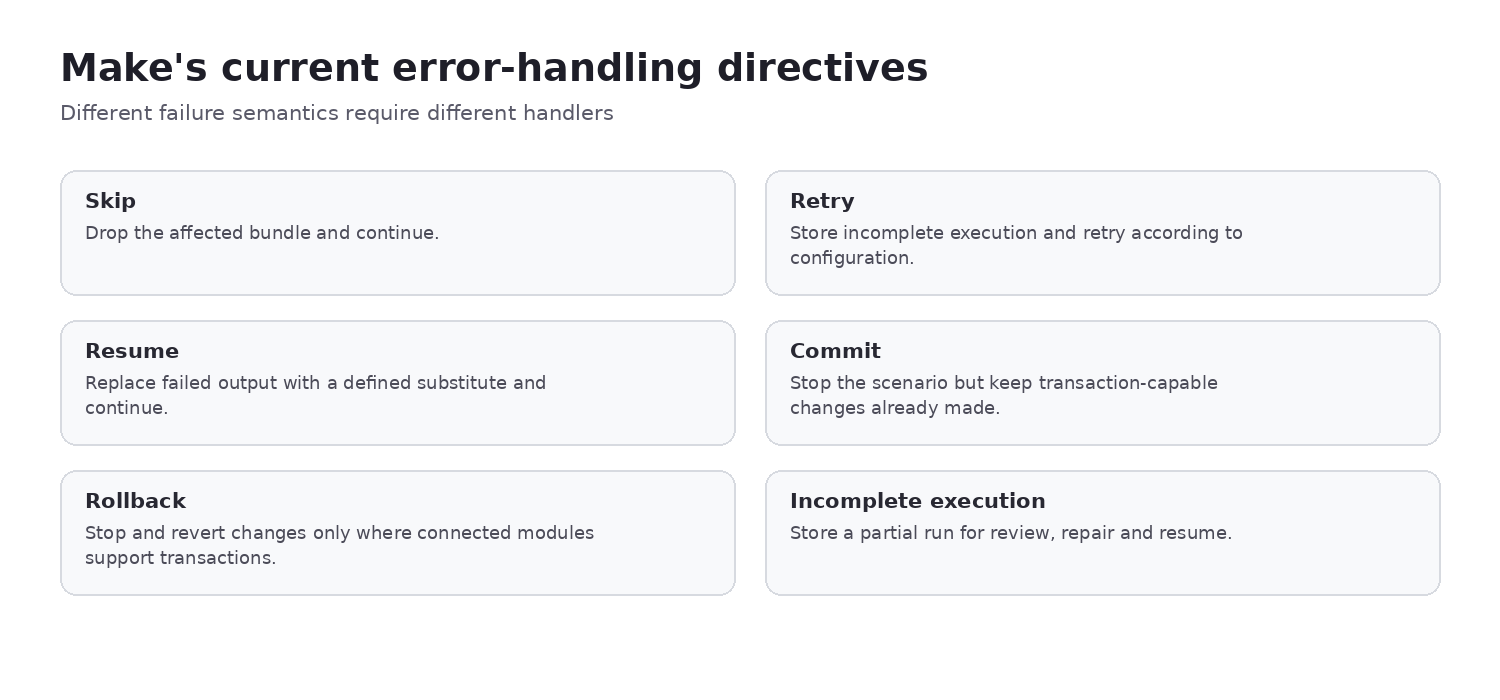
Validate exact connectors, logs, permissions, AI rates, error paths, and migration rebuilds.
Decision visuals
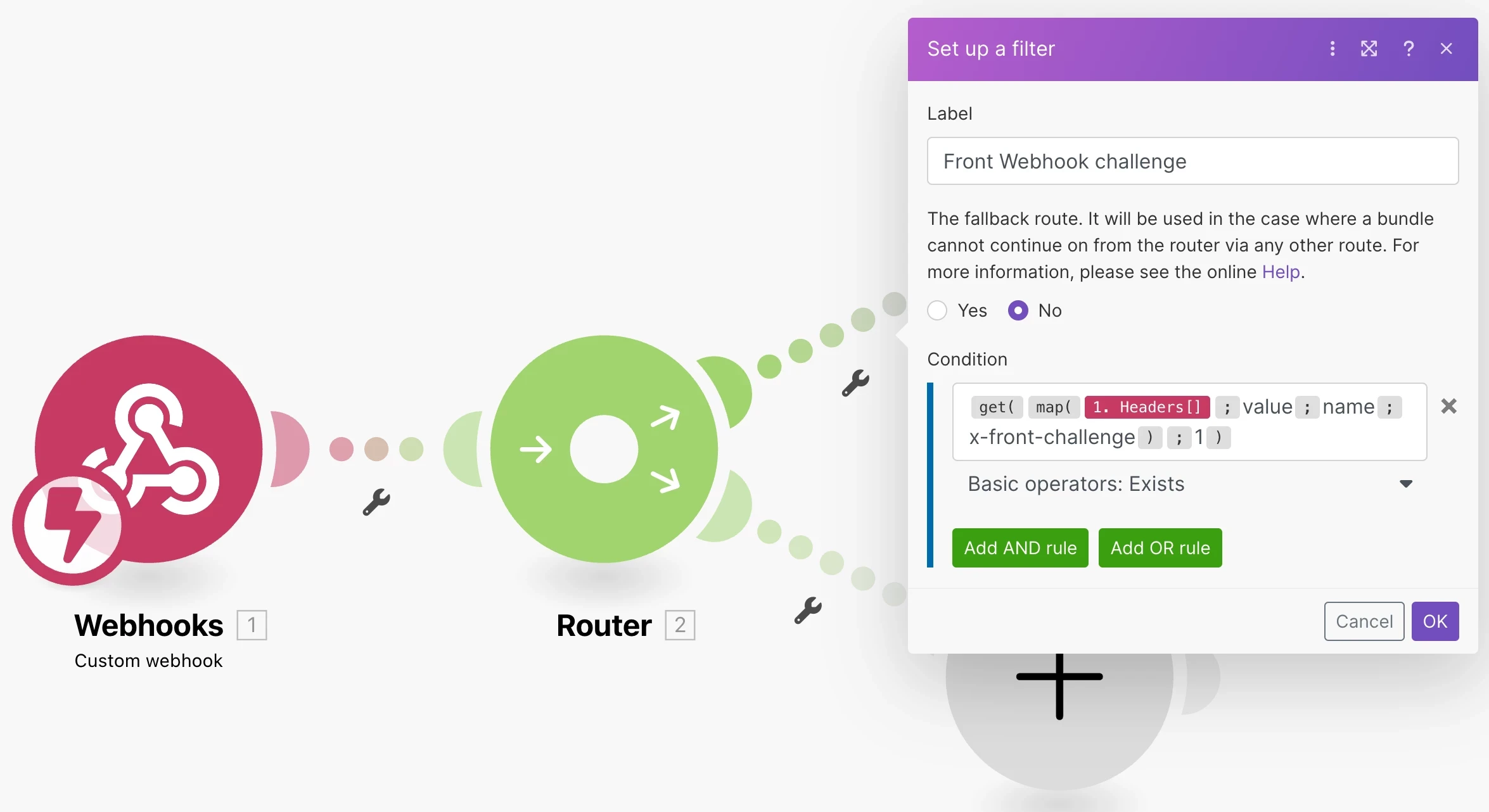
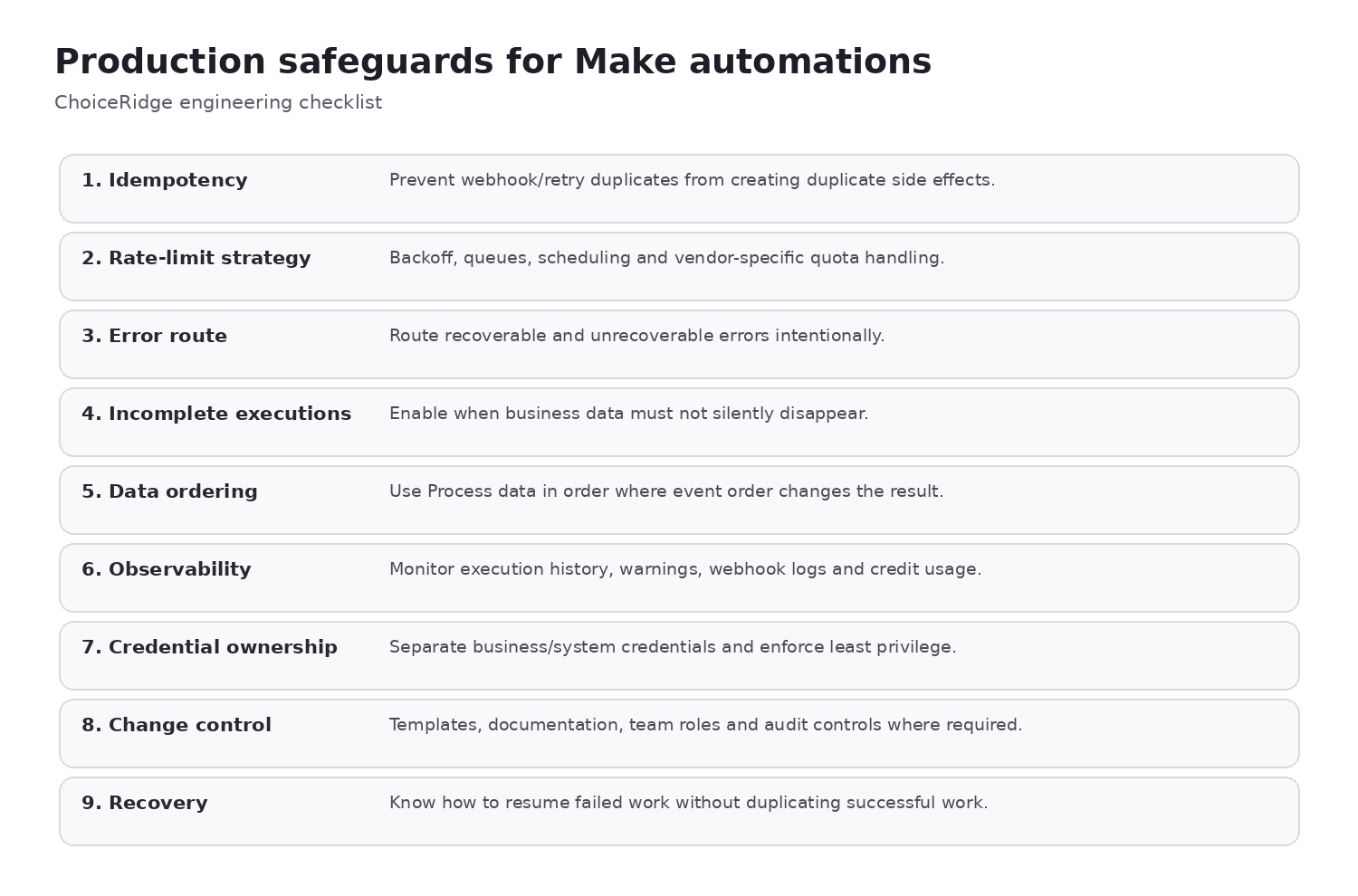
Additional decision questions
Are Make credits the same as Zapier tasks?
No. The accounting units and workflow behavior differ.
Which is easier for beginners?
Zapier often offers a simpler starting path; workflow complexity can change that.
Which is cheaper?
It depends on steps, records, filters, retries and plan rules.
Which has better debugging?
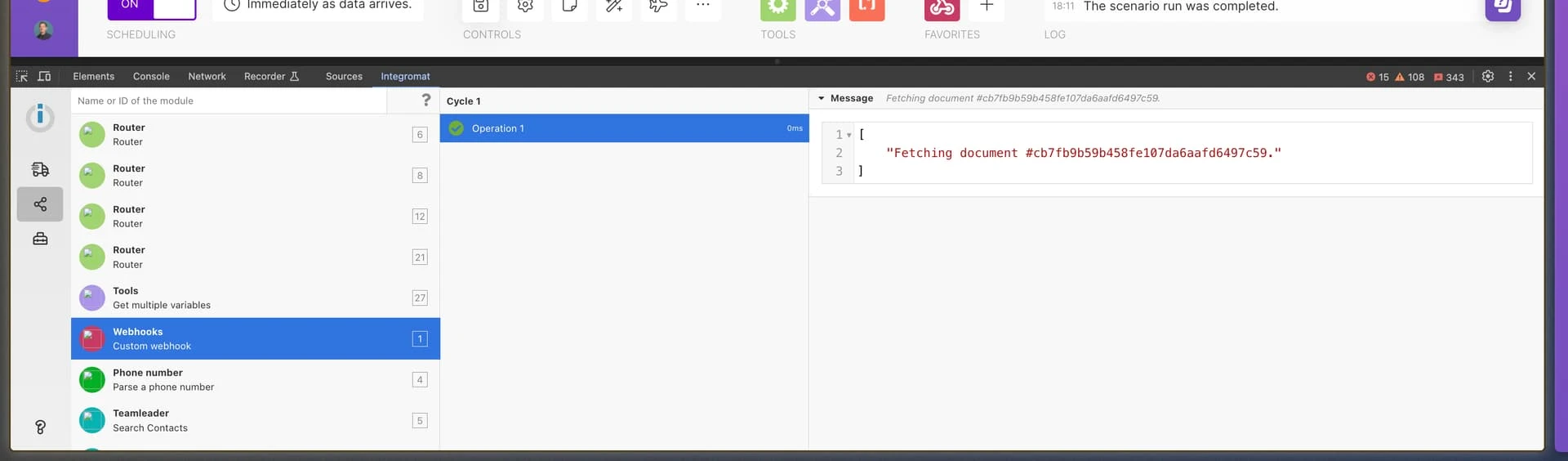
Make emphasizes visual execution detail; validate both with a failed real workflow.
Did ChoiceRidge benchmark reliability?
No. This comparison documents capabilities and operational safeguards without a controlled reliability test.
Migration and proof-of-concept checklist
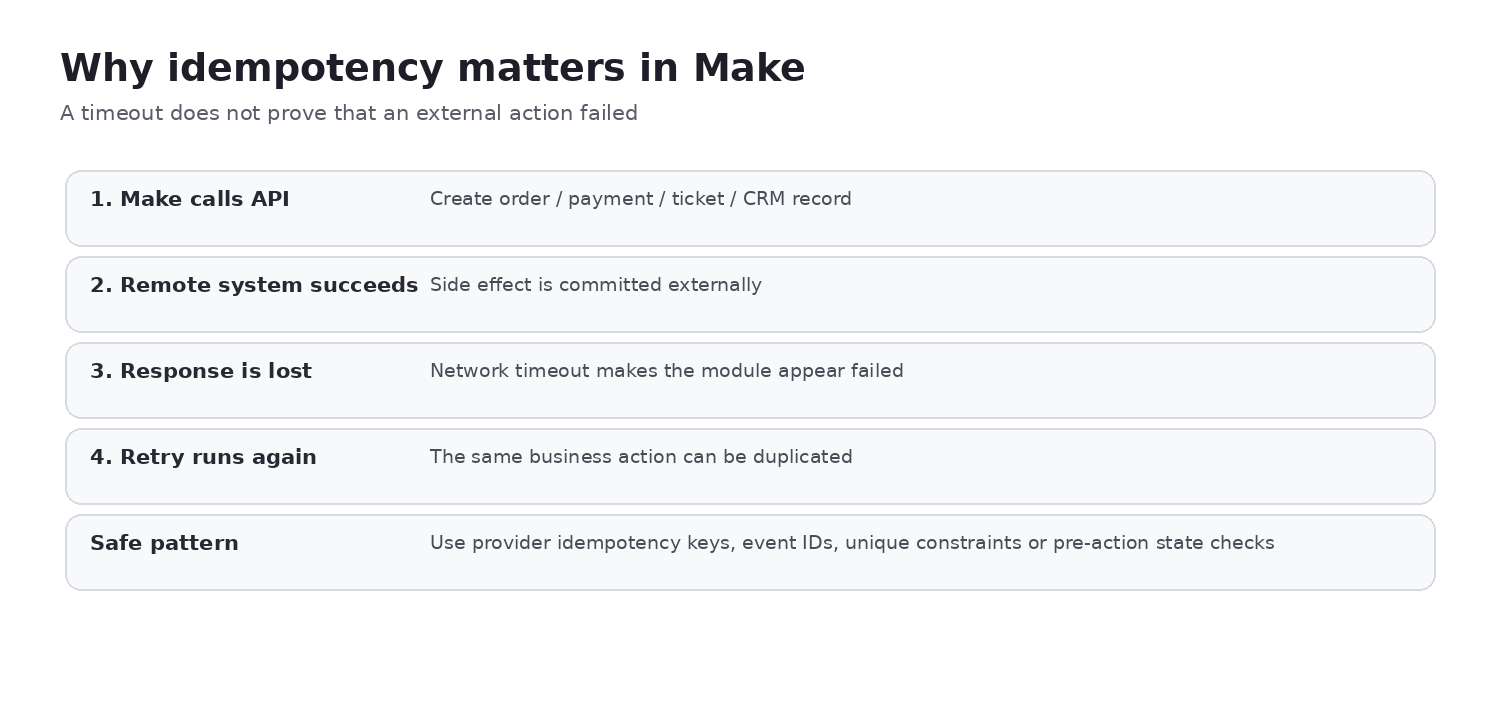
Export workflow documentation, credentials inventory and sample payloads; rebuild one representative multi-step workflow; compare monthly usage from actual module/task events; test errors, replay and rollback before switching.
Final verdict
Make wins for visual power; Zapier wins for simpler adoption.
Explore the automation library and use the Automation Tool Selector.
Methodology and research limits
Official product pricing and documentation were checked August 15, 2026. ChoiceRidge evaluated billing, workflow model, code, APIs, RPA, deployment, governance, maintenance, and migration. No controlled reliability benchmark or numerical score is claimed.
Read our Methodology, Editorial Policy, and How We Make Money.
Frequently asked questions
Is Make better than Zapier?
Only when Visual complexity and value matters more than Ease and adoption.
Which costs less?
There is no universal answer because their billing units and operating costs differ. Model the exact workflow.
Should I migrate?
Only for a documented constraint. Include rebuilds, credentials, testing, parallel operation, and training.